The Algarve is known as the region most focused on tourism in all of Portugal. It is the southernmost region of the country, stretching across just over 150 kilometres, from its eastern border with Spain to its western limit on the Atlantic Ocean.
Although it has an inland area with interesting natural wealth, such as can be seen in the Monchique Mountains, the region looks mostly towards the coast, where most of its towns are located and from where its wealth has traditionally come. In the past, this was thanks to fishing and the canning industry, and today, from tourism. Even so, both the coast and inland areas offer a great variety of things to see in the Algarve.
Although the Algarve is often spoken of as a whole, in reality, the region contains many differences within just a few kilometres, making it particularly rich in contrasts. Within a short distance you can find towns entirely dedicated to mass sun-and-sea tourism, mixed with natural reserves and small towns that still preserve the character and pace of life of the past.
The mass tourism zones, focused on sun and beach holidays, are mainly concentrated around Albufeira, in the central part of the region, and in isolated hotel resorts near certain beaches. Tourism is also present, though in a less invasive way, in Lagos, which has still managed to preserve much of its traditional character.
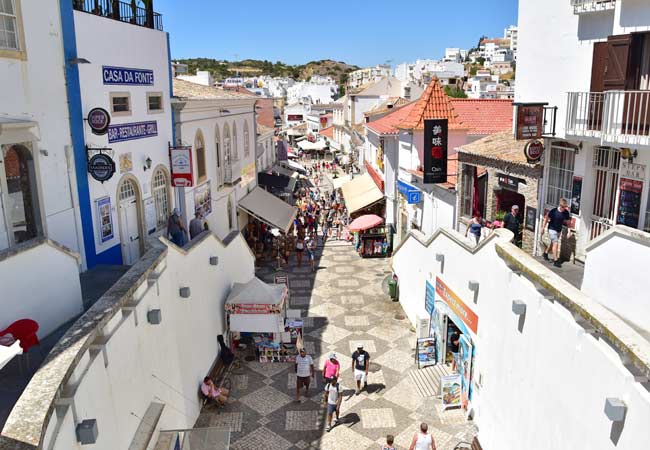
Albufeira
Albufeira is one of the major beach towns in the Algarve.
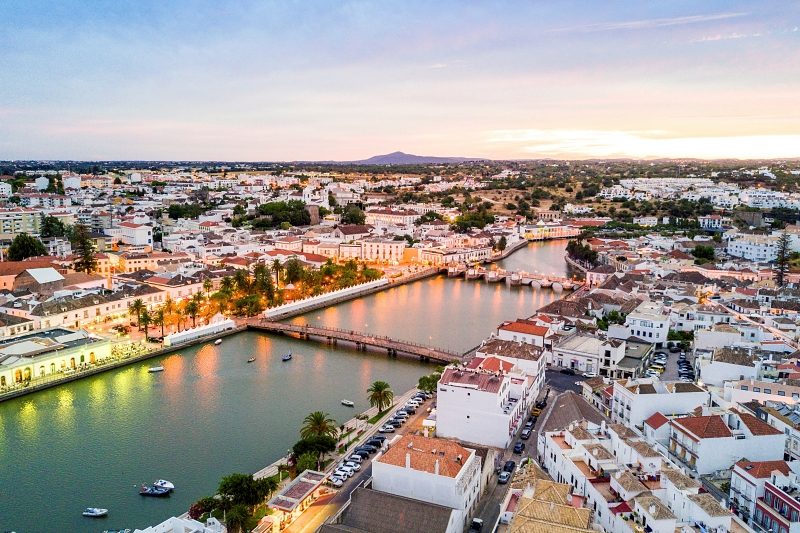
Meanwhile, the eastern coast of the region is dominated by the Ria Formosa Natural Park, which has helped towns such as Tavira preserve more of their traditional Portuguese life and city structure.
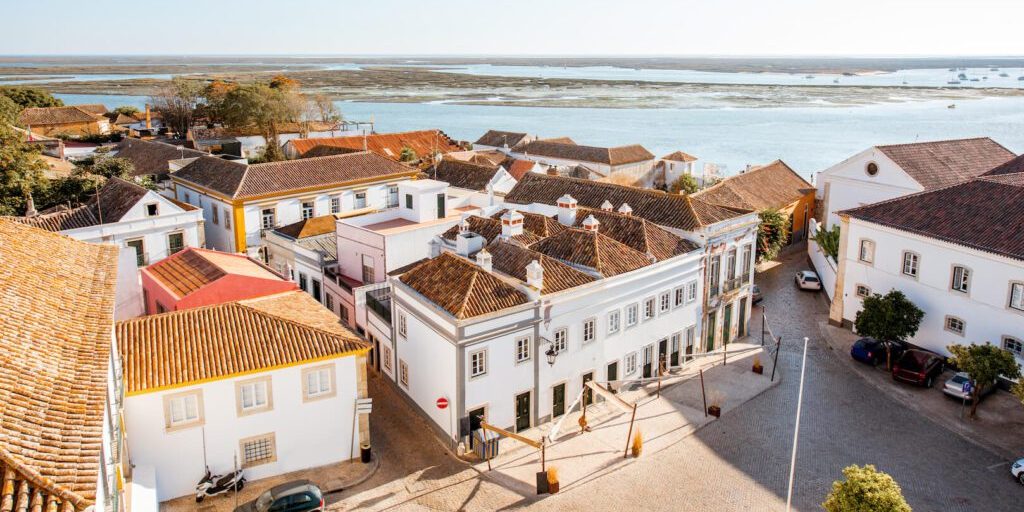
Faro, the capital of the Algarve, shows lively urban and academic life and is the best base for exploring the natural richness of the surrounding areas.
Those looking for historical remains, castles and walls will find them in the old quarters of several towns in the region, with Silves being the most emblematic.
And, further away from it all, surf lovers or those seeking less exploited beaches can explore Sagres, Cape St Vincent and the Vicentine Coast on the western side of the region.
Eastern Algarve
The eastern Algarve is shaped by the existence of the Ria Formosa Natural Park, which stretches from near the Spanish border almost to Faro. This often means that towns in the region do not have direct access to the sea and beaches, but rather through one of the islands that form part of the park. While this may seem like a disadvantage at first, it has allowed many of these towns to avoid frontline beach tourism and remain very traditional, attracting visitors who are generally older and prefer quieter habits.
From Vila Real de Santo António – the border town with Spain – to Faro, there are several coastal towns such as Monte Gordo, Fuseta and Olhão, but Tavira stands out above the rest. It is a town with historical roots dating back to Roman times, later under Muslim influence, leaving behind a small historic centre on a hill in the middle of the town. At its feet, the Gilão River splits the town in two, with a Roman-origin bridge at the centre joining the main neighbourhoods. Along the riverside streets and nearby areas, summer evenings fill up with terraces and restaurants that bring the town centre to life.
What to See in Tavira
In front of Tavira lies Tavira Island, accessible only by boat through the Ria Formosa channels. It boasts kilometres of fine sandy beaches, with some areas that are very quiet and little visited.
Olhão is another reference point in this area. Located much closer to Faro, its structure is more urban and modern than Tavira’s, though it still preserves the old fishermen’s quarter near the estuary. As in Tavira, despite having a marina and seemingly facing the sea, the waters south of it belong to the Ria Formosa, so it is also necessary to take a boat to reach nearby islands such as Culatra or Armona, both offering excellent beaches, like Praia do Farol.
Faro and Loulé
Faro is often unfairly overlooked by visitors to the Algarve. For many tourists, it is simply a transit point between the airport and other destinations in the region, or a transport hub for changing buses or trains. The city’s urban life – or perhaps the relative distance to the nearest beaches – seems to put some visitors off.
In fact, this is a mistake, since Faro has a small but picturesque walled historic centre, with a cathedral worth visiting, as well as one of the Algarve’s largest and best-quality pedestrian shopping districts. Around this historic core lies a modern, administrative and university city – the most important in southern Portugal. It is true that its nightlife is the opposite of the rest of the region: it really comes alive at the end of summer, when students arrive. But this should make it even more attractive in the low season.
Besides its historic centre and small marina, Faro also stands out as the ideal starting point for excursions through the Ria Formosa Natural Park. It is surrounded by lagoons, canals, small islands and salt flats, where many bird species nest – including flamingos – and where, at low tide, it is common to see shellfish gatherers collecting clams. Tourist boats also offer specific routes through the wetlands.
Just a few kilometres inland from Faro is the town of Loulé, which rivals Portimão for the title of second city of the Algarve. Its inland location – though areas like Quarteira and Vilamoura belong to its municipality – reduces its appeal for visitors, but it still hosts an active commercial life and some remains of Muslim presence in the area.
Central Algarve
The central Algarve is where traditional sun-and-beach tourism is most concentrated, particularly from northern European visitors. Albufeira is the most representative city here, along with towns such as Quarteira and Vilamoura, and numerous coastal tourist resorts, often isolated from main towns.
Albufeira is the stereotypical idea of the Algarve that comes to mind for those who don’t know it. It is the capital of mass sun-and-beach tourism in the region, which has completely lost its Portuguese identity, turning instead into a mix of taverns, bars, nightclubs and souvenir shops. Its historic centre must once have been beautiful: a fishing village on the coast, with white houses and a curious tunnel that opened onto a small beach in the middle of town. Today, however, that centre has been taken over by tourist shops and bars, while the surroundings are filled with hotels with hundreds of rooms and swimming pools or apartment complexes. Only on its outskirts, such as Olhos de Água, can you still find clusters of small villas, also aimed at foreign visitors.
Quarteira and Vilamoura follow Albufeira’s trend, though in a slightly less extreme way. They are seaside towns with many tall apartment blocks and tourist shops. Vilamoura has tried to give its tourism a more upmarket touch, with a marina and a casino, but its centre still mainly serves middle-class visitors.
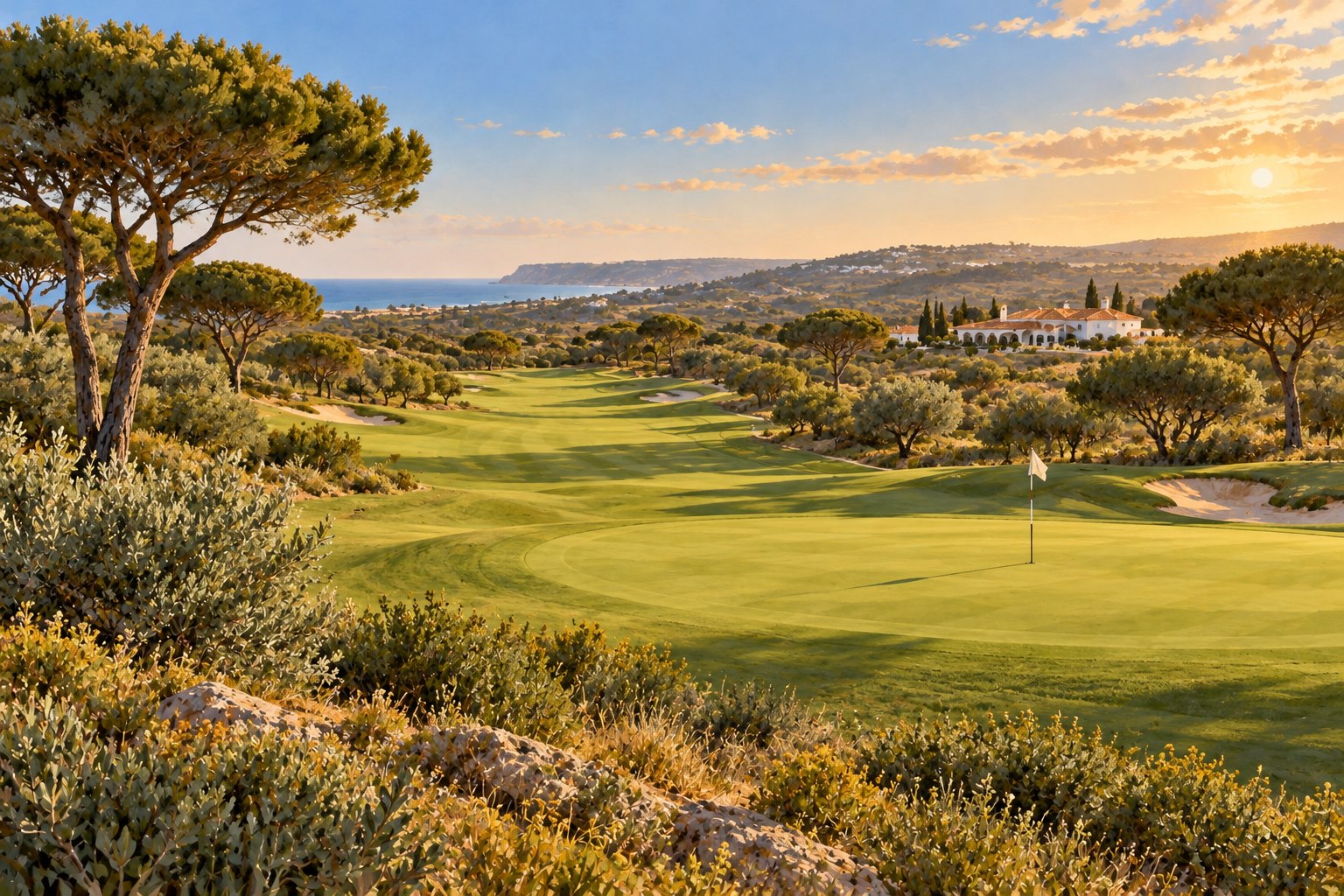
However, just outside Vilamoura, it has succeeded in attracting high-income tourists with a focus on golf and luxury resorts. The most famous is Vale do Lobo, just a few kilometres from Quarteira.
Western Algarve
The western Algarve is the most diverse in contrasts. Portimão is its main urban hub, although Lagos is the leading tourist destination. It also has charming inland towns like Silves, coastal villages like Carvoeiro, beaches like Praia da Rocha that attract mass tourism, and further west of Lagos – beyond the main motorway – it stretches towards the cliffs of Cape St Vincent and the small town of Sagres, at the very tip of the Iberian Peninsula.
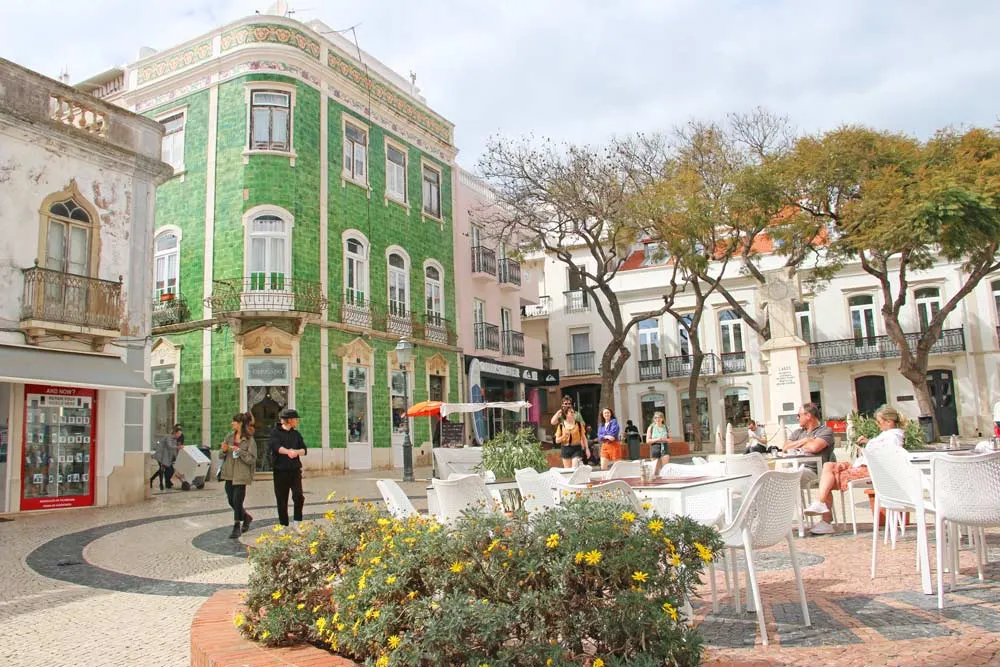
Lagos is the main tourist reference point in the area and perhaps the town that best sums up all the contrasts of the Algarve, which is why it is especially worth visiting. It has a pleasant pedestrian historic centre, perfect for strolling or sitting on a terrace at one of its many restaurants, attracting large numbers of visitors. It also has a good selection of small bars and pubs, drawing in many younger people.
However, as there are not too many hotels in the town, the number of overnight visitors is limited. This makes it possible to enjoy its historical and cultural side – with an old walled quarter and several churches worth visiting – in a very relaxed way.
Just a few kilometres from the centre, Lagos also has wide, well-preserved beaches, ideal for sunbathing. It is, in other words, a type of tourism that integrates very well with the traditional Portuguese setting.
Portimão is a lively city but largely turns its back on tourism. Apart from a few small corners and a very well-restored museum, there is little more of interest. More appealing is Praia da Rocha, just south of the city.
Silves, meanwhile, is inland and has no coast to draw visitors, but it does offer significant historical appeal, centred around a perfectly restored castle on a hilltop above a small, traditional town – ideal for strolling or enjoying a meal at one of its restaurants.
Finally, west of Lagos lies the Algarve’s less frequented and less accessible side. From there, a narrow and not very well-maintained road leads to Sagres, a small town on the region’s western tip, where you can visit its fortress. Continuing a few kilometres further northwest, you reach Cape St Vincent, with its cliffs and beaches, ideal for surfing. From there northwards stretch dozens of kilometres of vast, little-visited beaches, with towns such as Carrapateira or Aljezur nearby.
Group places by area and start with the interests that matter most to your trip. A coastal town, an inland stop and a beach may require separate journeys even when they appear close on a regional map.
Is one accommodation base suitable for every Algarve itinerary?
It depends on the journeys you plan to make. Compare realistic travel times and everyday services before choosing a base, rather than selecting accommodation independently of the route.