
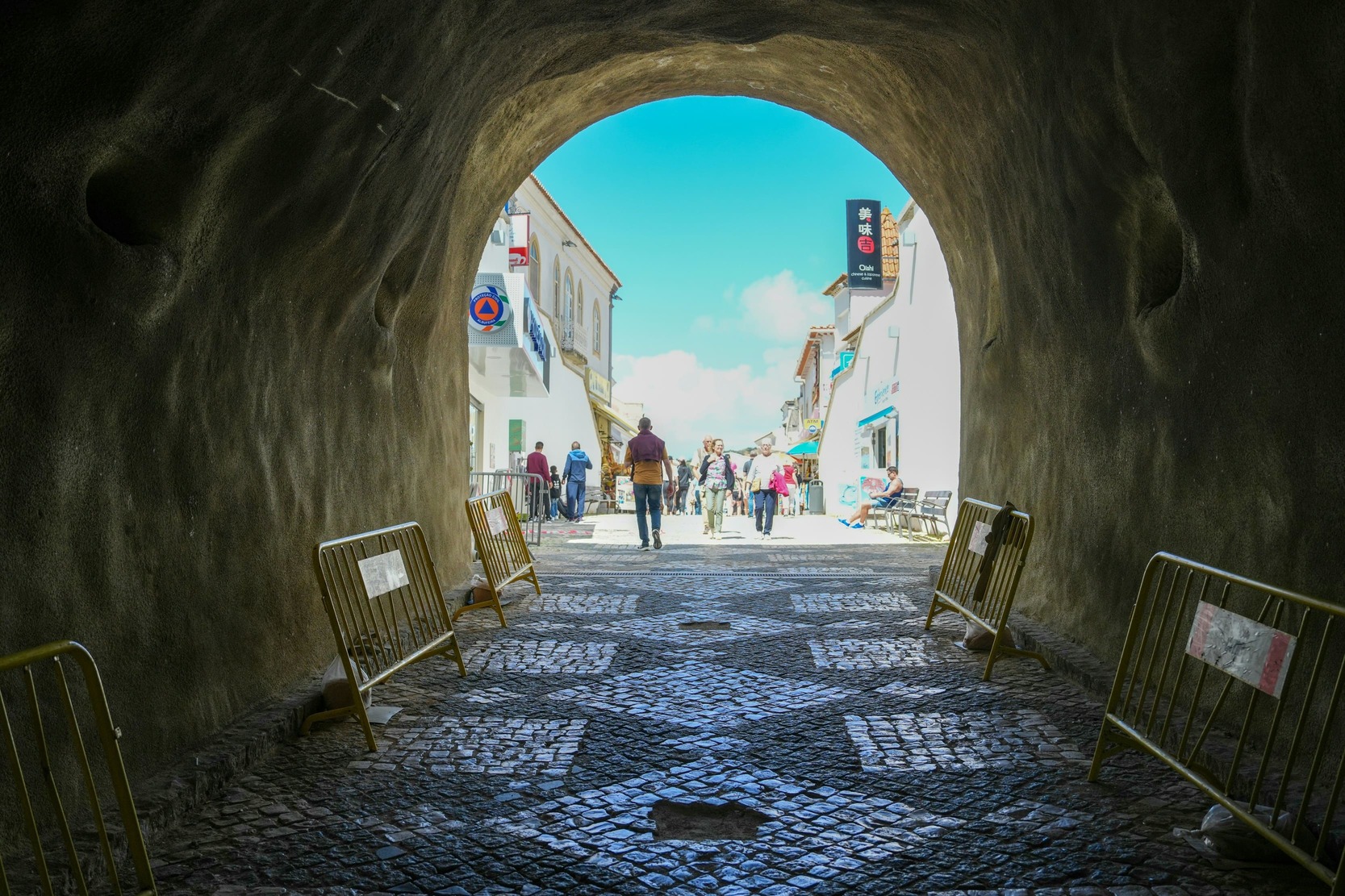
When we help guests think about a stay in Albufeira, we start with how they want to spend their days. A beach holiday with evenings on foot calls for different accommodation from a trip built around driving across the Algarve, and an address described as central does not answer every question. For the Old Town, we would look at the street, the approach to the building and the sleeping arrangements before choosing from photographs alone.
This guide brings together the decisions we would make before a visit, from planning a manageable walk to checking whether a particular apartment suits the people travelling. We want the practical details to be as clear as the appeal of staying close to the sea.
Give the Old Town a place in your holiday plans
We would leave room for a walk through the centre, a meal and some time by the beach, without trying to turn the first visit into a checklist. If the rest of the day involves another town, it helps to decide which part matters most before arriving. A short wander and a long beach afternoon are different outings, especially when children or someone with limited mobility are travelling.
For a wider trip, our guide to what to see in the Algarve provides a starting point. We would use the Old Town visit as one part of that plan, leaving enough time for the return journey instead of adding stops simply because they look close on a map.
Choose a viewpoint or a cultural stop
The Miradouro do Pau da Bandeira gives the walk a specific destination, with views over the bay and the Old Town. We would include it when the group is comfortable with the route, leaving the visit flexible rather than promising a particular sunset or an exact walking time from every property.
For a cultural stop, the Municipal Archaeology Museum, Igreja Matriz and Capela da Misericórdia are names to look for while planning the visit. We would choose the places that interest the group and confirm visitor access and opening times directly, since a walk past a building and a visit inside need different arrangements.
Plan the walk around the return as well as the arrival
The streets and changes in level deserve a little thought when choosing a route. We would check the walk between the accommodation, the centre and the beach rather than relying on a straight-line distance. A route that feels manageable with a small bag may be less convenient with luggage, a pushchair or beach equipment.
When accessibility matters, we would ask for specific information about steps, gradients and entrances. The useful question is whether the whole journey works for the person travelling, including the building itself. If a lift or another access facility is essential, we would confirm its current availability with the relevant operator before relying on it.
Choose accommodation by the details of the street
We would not treat every Old Town address as offering the same experience. Before booking, we would ask where the bedrooms face, whether there are venues immediately below or beside the building, and how the windows are arranged. These questions are particularly helpful when an early bedtime matters, because a central location on its own says little about the bedroom environment.
Access is another part of the decision. We would check the floor, whether there is a lift, where luggage can be unloaded and how keys are collected. For a longer stay, we would also look at the kitchen, laundry facilities and any workspace needed, choosing around the actual routine of the holiday rather than a general description of the neighbourhood.
Work out transport before setting off
We would confirm the arrival point and the final journey to the property separately, especially when coming by public transport. A booking for the main journey does not necessarily resolve the last stretch with suitcases, and we would keep the accommodation address and check-in instructions available offline.
For a car journey, we would ask the accommodation provider about parking arrangements and the route for unloading. We would check current restrictions and charges directly before travelling, allowing time to walk from the parking place. The same approach applies to a return bus or other service, whose current timetable should be checked with its operator.
Leave flexibility for meals and time outdoors
We would build the day around the weather and the needs of the group, with water, suitable footwear and a break from the sun when needed. For meals, we would check the current menu and prices at the restaurant rather than budget around an old online estimate, and discuss allergies directly with staff before ordering.
A beach visit also needs its own judgement on the day. We would follow the signs and instructions at the beach, and keep the plan flexible if conditions change. It is easier to enjoy the centre when a particular swim, table or activity is an option rather than the only reason for the trip.
Tell us what your stay needs to include
At Monte Rentals, we invite guests to share the details that matter when enquiring about accommodation, including dates, group size, sleeping arrangements and access needs. That gives us a useful basis for discussing a property. If your question concerns letting a home rather than visiting, our information for property owners is the relevant place to start.





Planning a stay in the Algarve?
Book direct with Monte Rentals and skip the booking fees: see stays in Albufeira Old Town. Or browse holiday apartments in Albufeira · villas with private pool.
Frequently asked questions
What should I check when choosing accommodation in Albufeira Old Town?
Look at the actual street, approach to the building, sleeping arrangements and possible evening noise. Ask about the route to the beach and pickup points rather than relying on a general central-location description.
Can I plan an Old Town visit around walking?
Choose a route that suits your group and account for slopes, steps and the return journey. If arriving by car or taxi, identify the parking or collection point before starting the walk.