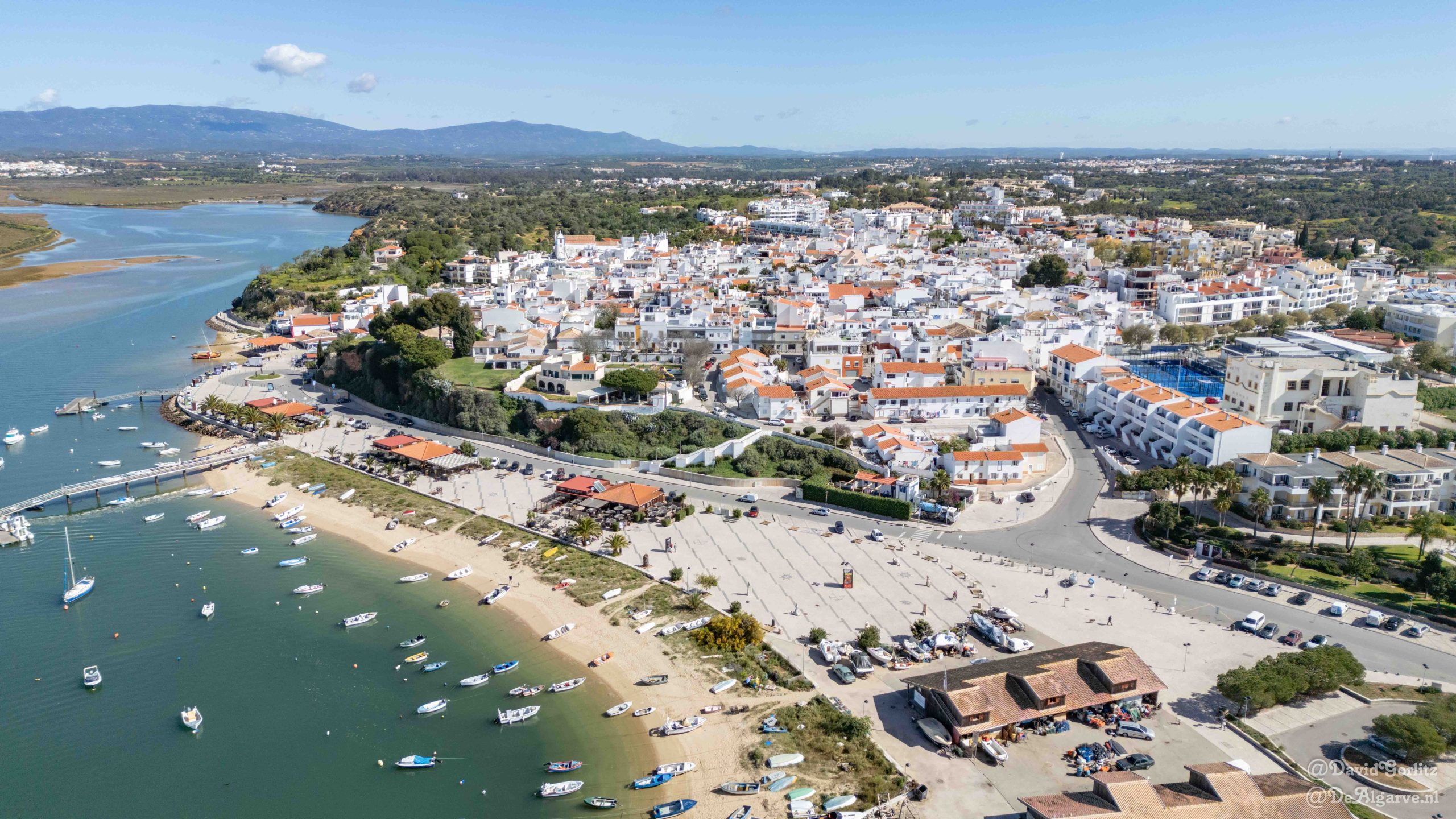
The first time we drove into Alvor we nearly missed it, because there’s a roundabout on the EN125 between Portimão and Lagos where the turn-off doesn’t look like much – just another road winding down toward the coast through scrubby pine trees and half-built villas – and our sat nav kept insisting I’d arrived even though I couldn’t see anything that looked like a town, until the road dropped and suddenly there it was: a fishing village pressed against a wide estuary where the river meets the sea, with painted boats leaning on the mud at low tide and a church tower sticking up above the rooftops. we parked near the harbour because that seemed like the obvious thing to do, walked along the waterfront until we found a café where a man was cleaning squid on a plastic table outside, ordered beers, and sat there for an hour watching pelicans fight over fish scraps, which was five years ago now and I’ve been back at least a dozen times since, so that tells you most of what you need to know about the place.
Alvor sits between Portimão and Lagos on the western Algarve coast, tucked into the mouth of the Ria de Alvor estuary, and it has this particular quality that’s hard to explain unless you’ve been there yourself: it feels like a proper place where people actually live rather than a town that exists primarily to service tourists, with old men playing cards in the square at ten in the morning and women hanging laundry from balconies above the narrow cobbled streets, and somehow those two realities – the tourist restaurants and the souvenir shops alongside the genuine daily life of the village – coexist without either one ruining the other.
Alvor Beaches

The beach situation in Alvor is unusual because you don’t actually walk to the main beach the way you would in most towns, instead you drive or walk across a wooden boardwalk that stretches over the marshes and dunes like a bridge to nowhere, taking maybe twenty minutes on foot through the kind of wetland habitat that birdwatchers go properly mental about, with herons standing in the shallows looking dignified and small wading birds doing their thing in the mud, until you reach the end and the beach opens up in front of you, enormous, a wide strip of clean sand running west toward the cliffs at Praia dos Três Irmãos.
I’ve been there in August when every patch of sand has a towel on it and I’ve been there in November when there were maybe six people on the entire stretch, and both visits were brilliant in completely different ways, because the water is Atlantic so it’s never going to be bathwater warm but from June through September it’s perfectly fine for swimming, especially in the sheltered eastern end where the estuary keeps things a degree or two warmer than the open coast.
Praia de Alvor
The main beach, Praia de Alvor, is long enough that you can always find space even in peak season if you’re willing to walk ten minutes past the sunbed rental guys, with fine golden sand, lifeguards during summer, and a couple of beach bars selling cold beer and toasties for the kind of prices that remind you this isn’t Ibiza, while at the far western end the sand gives way to the rock formations that define this part of the coast – caves and little hidden coves accessible at low tide that feel like discoveries even though thousands of people find them every year.
Praia dos Três Irmãos

Walk about twenty minutes west along the shore from the main Alvor beach and you hit Três Irmãos, which translates as Three Brothers and refers to the sea stacks that stand in the water just offshore, and this is where the Instagram crowd comes because the rock formations are genuinely spectacular, all arches and tunnels carved out of yellow sandstone by a few million years of Atlantic waves, with the beach itself smaller and more sheltered than the main Alvor stretch, hemmed in by cliffs on both sides, which makes the water feel warmer and calmer. There’s a restaurant at the top of the cliff with stairs down to the sand, and getting a table there on a summer evening with the sun going down behind the stacks is one of those Algarve experiences that stays with you for a while.
Praia do Vâu
Slightly further east toward Portimão, Praia do Vâu is less visited than either Alvor beach or Três Irmãos because it’s technically in a different parish and the access road takes you through a residential area of holiday apartments rather than through the town itself, which is exactly why we like it – on a busy August weekend when the main beach looks like a festival crowd, Vâu has maybe a third of the people, and the cliffs here are a deep orange colour that photographers lose their minds over, particularly in the late afternoon light when the whole thing glows like it’s been painted.
The Ria de Alvor Estuary

Most people come to Alvor for the beach and never bother with the Ria de Alvor, which is a shame because the estuary is honestly the more interesting of the two – the river meets the Atlantic here and the result is a tangle of channels, mudflats, and salt marshes that reinvent themselves every six hours depending on where the tide is, and we went once at high water when the whole thing looked like a mirror, flat and silent and full of reflected clouds, then came back the next morning at low tide and barely recognised it, all exposed sand and mud and wading birds picking through the shallows while the fishing boats sat tilted on their sides looking vaguely embarrassed.
The best thing I’ve done in the Algarve – and I know this will sound like an exaggeration but I mean it – is kayaking through those channels at high tide, where the rental places at the harbour charge €25-30 for two hours and the guides paddle you through parts of the estuary that feel like a completely different country, silent except for birds and the drip of water off the paddle. we saw a kingfisher on our first trip, just a flash of electric blue disappearing between the reeds, and then ten minutes later a heron lifted off about three metres ahead of the kayak with a wingspan that made me flinch – purple herons, flamingos in the winter months, ospreys nesting in the channel markers, the kind of wildlife experience that most people fly to Africa for and here it is five minutes from a Portuguese fishing village.
Things to Do in Alvor
Walk the Old Town

Alvor’s old town is small enough that you can walk every street in about forty minutes but interesting enough that you’ll end up taking longer because you keep stopping to look at things, particularly the Igreja Matriz on the hill with its Manueline doorway that’s genuinely impressive for a village church, all twisted rope columns and carved stone that the guidebooks describe as “exuberant” which is one way of putting it. Around the church the streets are narrow and cobbled and the houses are painted white and blue and yellow in that particular Algarve way, with cats everywhere – sleeping on windowsills, sitting on walls, blocking doorways – treating the place like they own it, which to be fair they probably do.
Harbour and Waterfront

I’ve spent more time sitting on the harbour wall in Alvor than we care to admit, partly because of the fishing boats coming back with the catch every morning – watching octopus and sardines and sea bream get hauled off the decks and sold right there on the quay, no packaging, no middleman, just a bloke in rubber boots handing fish to a woman with a shopping bag – and partly because by lunchtime the fishermen are done and the cafés take over, everyone drinking imperial beers and eating ice cream and pointing at the boats, until eight in the evening when the harbour transforms into a promenade where half the town seems to turn up to walk, gossip, and let the kids run around until it gets dark.
The fish market next to the harbour is a revelation if you’re self-catering, and we say that because we once bought enough sardines for four people for under three euros and grilled them on the barbecue at the villa that evening, while the tourist restaurant across the road was charging fourteen euros for the same thing with a side salad, which tells you everything about how the economics of holiday eating work in a place like this.
Castle Ruins

Alvor has a castle, or what’s left of one after the Moors built it, the Christians took it back, and then the 1755 earthquake flattened most of what remained – there’s not much castle left to speak of honestly, some walls and a pleasant garden where old men sit on benches and stare at the estuary, but the views from the top are worth the five minutes it takes to walk up the hill and you don’t have to pay anything or plan your visit around opening hours because there’s no gate and nobody seems to care when you show up.
Boat Trips and Water Activities

A couple of outfits run boat trips from the harbour and the one I’d recommend is the estuary tour rather than the coastal trip, partly because it’s cheaper at around €20 per person for ninety minutes, but mainly because the estuary is genuinely more interesting than people expect and the guides know where the ospreys nest and where the flamingos feed, while the coastal trips that head east along the cliffs toward the Benagil caves have admittedly spectacular scenery with swimming stops in coves you can’t reach any other way, though they cost more and every other company from Albufeira to Lagos runs the same route so it doesn’t feel as special.
Stand-up paddleboarding has become a thing in the estuary and we understand why, because the water at high tide is flat and warm and sheltered from the wind, which is the exact opposite of trying to learn on the open Atlantic where beginners spend more time underwater than on the board, and rental runs about €15 per hour from the guys near the harbour.
Alvor Restaurants

The restaurant scene in Alvor punches well above its weight for a town this size and most of it clusters along the harbour and the streets that run up from the waterfront, and I’ll give you our honest list though we should warn you that I’m biased toward fish because eating meat in a Portuguese fishing village feels like ordering pizza in Tokyo – technically possible but you’re missing the point.
Restaurante O Chameco
O Chameco sits right on the harbour wall and does a cataplana that two people can barely finish, a big copper pot full of clams, prawns, fish, potatoes, and enough garlic to keep vampires out of the entire Algarve for a week, and last time we went the bill for two with wine came to about fifty-five euros which felt like robbery in the best possible sense – get there early for an outside table because by eight o’clock in summer there’s a queue stretching down the quay.
Restaurante Caniço
Caniço is perched on the cliffs between Alvor and Praia dos Três Irmãos and the terrace view is one of those things that makes you briefly hate wherever it is you normally live, with food that’s good if not extraordinary – grilled fish, salads, the standard Algarve seafood menu done competently with a sunset thrown in for free – and main courses running €15-25, though it’s busy enough in summer that a reservation is worth making if you don’t want to eat at five o’clock like a retiree.
Budget Eats on the Pedestrian Street
For something cheaper there’s a row of places on the main pedestrian street, Rua Dr. Frederico Ramos Mendes, that do perfectly decent grilled sardines and bifanas for a few euros, the kind of lunch where you eat standing at a counter and nobody pretends it’s anything fancier than what it is, and there’s also a pastelaria on the corner near the church that does the best pastel de nata I’ve had outside Lisbon, which I’m sure someone from Lisbon would dispute but they’re wrong.
Buzz Bar
Not a restaurant strictly speaking, but Buzz Bar on the waterfront is where everyone ends up eventually – whether for morning coffee, afternoon cocktails, or late evening drinks watching the boats – because the burgers are solid, the music is never annoying, and the staff are the kind of relaxed-but-efficient that makes you wonder why service is so hard to get right in other countries.
How to Get to Alvor
| From | Distance | Drive Time | Notes |
|---|---|---|---|
| Faro Airport | 70 km | 50 min | A22 motorway (tolled) or free via EN125 |
| Portimão | 5 km | 10 min | Short drive along the coast road |
| Lagos | 18 km | 20 min | EN125 or A22 |
| Albufeira | 45 km | 35 min | A22 motorway is quickest |
| Lisbon | 280 km | 2h 45min | A2 south then A22 west |
There’s no train station in Alvor itself but Portimão station is ten minutes away by car with regular connections along the Algarve coast and a slow but scenic service up to Lisbon, while local buses run between Portimão and Alvor a few times a day though the schedule is the kind of thing you need to check carefully because it changes between seasons and seems to operate on a logic that only the bus company fully understands.
If you’re flying into Faro, renting a car is by far the easiest option for reaching Alvor – the drive takes under an hour on the A22 motorway with tolls of about €7-8 each way, and without a car you’re looking at a bus from the airport to Portimão bus station and then another bus to Alvor, which takes about two hours in total and costs around €5-6 but requires patience and a tolerance for Portuguese public transport schedules that border on the philosophical.
Where to Stay Near Alvor
One thing we appreciate about Alvor is that nobody ever built a sixteen-storey resort hotel on the seafront, and there was probably a planning meeting at some point in the eighties where someone proposed it and someone else told them to get lost, because what you get instead is apartments, villas, and small guesthouses, the kind of places with kitchens and terraces where you can eat breakfast watching the sun come up over the estuary and cook the fish you bought at the market that morning, which encourages you to live in the town rather than just visit it – and there’s a meaningful difference between those two things.
Most families end up in villas with private pools on the hillside above the town, and having stayed in one ourselves we get the appeal completely because the kids swim all afternoon while you sit on the terrace pretending to read a book, then everyone walks down to the harbour for grilled sardines at eight, with most properties roughly a five to ten minute drive from the beach though the newer places along the road toward Três Irmãos are walkable to both the sand and the restaurants. If you want help finding somewhere, our team at Monte Rentals manages holiday properties across the western Algarve including the Alvor and Portimão area, and they know the stock well enough to match you with something that actually suits what you need.
Alvor vs Portimão vs Lagos
we get asked this constantly and I’ve started giving people a shorthand answer that usually settles it: Portimão is where you’d live if you moved here permanently because it has the hospital, the big supermarkets, the cinema, the marina, all the practical infrastructure of a proper city, but it’s not a place anyone would describe as beautiful; Lagos is where you’d go for a long weekend in your twenties because the old town is gorgeous and the nightlife runs until sunrise and the beaches are world-class, but spending two weeks there in August means fighting for restaurant tables and paying through the nose for accommodation; and Alvor is where you’d go if you wanted to feel like you’d found somewhere that hasn’t entirely sold its soul to tourism yet.
A friend of ours brought his family here last summer after we recommended Alvor over Lagos, and he messaged us on the third day saying he couldn’t believe how relaxed the whole place felt compared to what he’d read about the Algarve in general, because his wife had been nervous about bringing two small kids to Portugal but the town turned out to be exactly the kind of place where you can let them run ahead on the harbour wall without worrying – which is Alvor in a sentence, really.
When to Visit Alvor

I’ve been here in every month except February and the short version is that it always works, just differently depending on the season, with our favourite time being late June when the weather has properly committed to summer but the school holidays haven’t started across most of Europe yet, so the beach is warm and the restaurants are open and you can still park without circling the block four times, while September is brilliant too because the water’s at its warmest, the light goes golden in the afternoon, and the town exhales after the August crush in a way that feels almost physical.
we spent a week here in November once, mostly on a whim, and was surprised by how much we enjoyed it because half the restaurants were shut but the ones that stayed open were better for it, cooking for locals rather than tourists, and we walked the boardwalk to the beach every morning barely seeing another person. The wildflowers on the clifftops in March and April are something special too, with the estuary filling up with migratory birds in spring and autumn – flamingos included, which always seems improbable in Europe but there they are, standing in the shallows looking absurdly elegant. For more on the cooler months, we wrote a guide to the Algarve in winter that covers what to expect.
Things People Ask Me About Alvor
People planning trips always want to know the same handful of things so I’ll save you the messages: is it worth visiting? – yes, without question, it’s my favourite small town on the Algarve coast and I’ve been to most of them, with everything the bigger resorts have in terms of beaches and food but without the feeling that you’re in a place designed primarily to extract money from tourists. The fish market near the harbour runs most mornings and is best on Wednesdays, and if you want a bigger general market the one in Portimão operates every morning except Sunday and sells everything from cheese to cheap socks, plus there’s a travelling market on the first Monday of each month near the Portimão fairground that’s worth seeing purely for the chaos.
Getting to the beach on foot takes about twenty minutes via the boardwalk across the marshes, which is flat and paved and works fine with pushchairs, while from Faro Airport you’re looking at 70 km and under an hour on the A22 motorway with tolls of about €7-8 each way – a transfer costs around €50-60 for up to four people but renting a car is the better option if you plan to move around the coast at all, which you should, because there’s a lot worth seeing within easy driving distance.
Thinking About Staying in the Alvor Area?
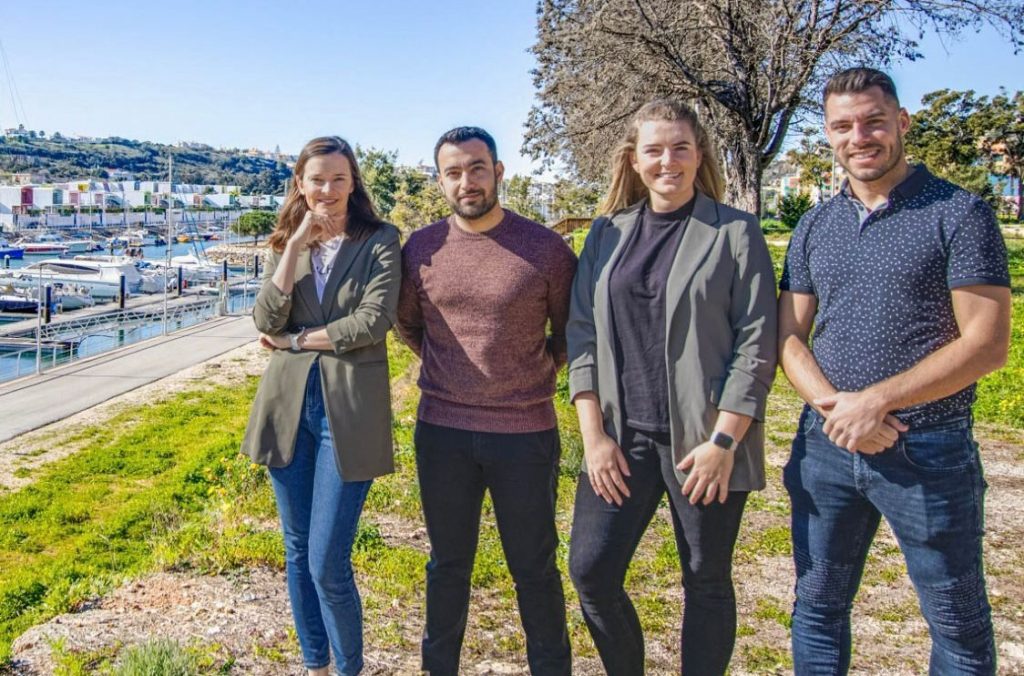
Our local team manages holiday villas and apartments across the western Algarve, from Alvor and Portimão to Lagos. Whether you’re planning a family holiday or a longer stay, we can help you find the right place.
Planning a stay in the Algarve?
Book direct with Monte Rentals and skip the booking fees: see all our Algarve holiday rentals. Or browse holiday apartments in Albufeira · villas with private pool.
Frequently asked questions
What should I include in a first visit to Alvor?
Combine the old village and waterfront with time for the estuary or beach. Choose the walking route around your group's mobility and leave enough time for the return rather than trying to cover every stop.
Do I need to check transport before visiting Alvor?
Yes. Compare the journey from your accommodation with parking or pickup arrangements, especially if you plan to stay for dinner. Confirm current fares and services for your travel date.